
Home / Products / Vinyl Cut Lettering
Vinyl Cut Lettering
Weeded cut vinyl letters and logos with no printed background.
Quick Turnaround
Australia wide shipping from $14.99
Vinyl Cut Lettering range

Vinyl Lettering Decals
Weeded cut vinyl lettering supplied pre-spaced on transfer tape, ready for easy application to walls, glass, vehicles and other smooth surfaces.
Price it online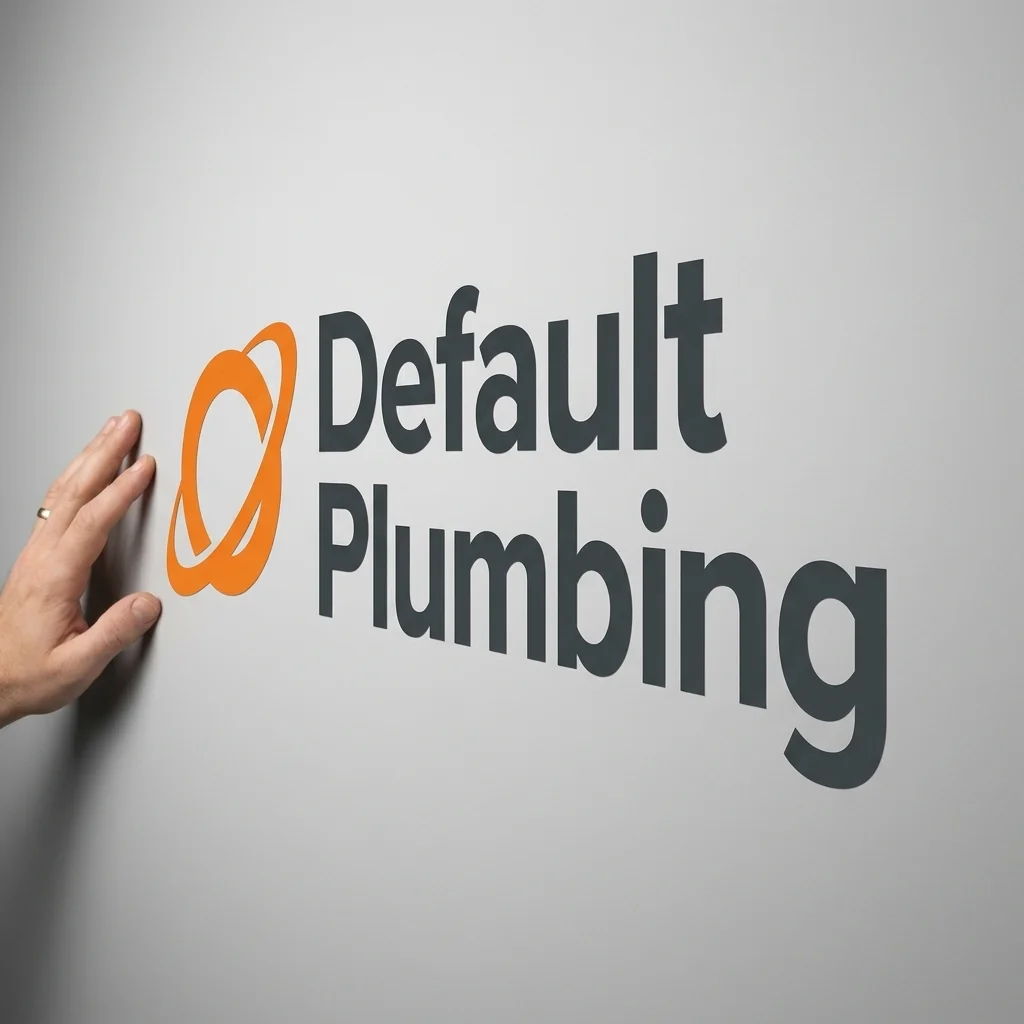
Wall Lettering Signs
Low-tack matte wall vinyl, precision cut to your chosen typeface for clean, temporary lettering on interior walls and smooth surfaces.
Price it online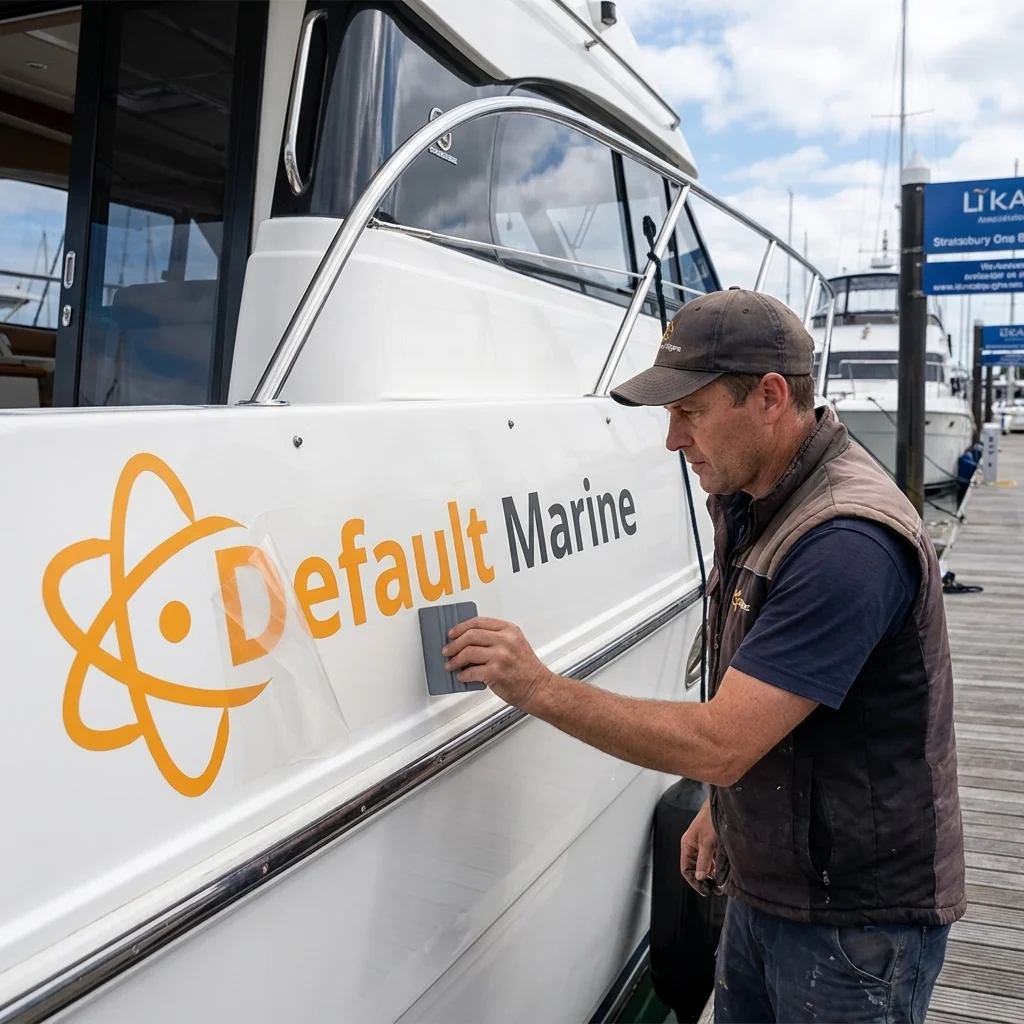
Boat Lettering Decals
Cast vinyl lettering designed for hulls, transoms and curved surfaces, providing a clean, durable finish that conforms smoothly to contours.
Price it onlineEvery product prices itself on its own page -- pick your size, material and quantity and the price is on screen. Trade customers see their own rate once logged in.
About vinyl cut lettering
Cut lettering is vinyl cut to the shape of each letter and weeded to remove the surrounding material, leaving no background. The wall, glass or hull remains visible between the letters.
The lettering is supplied pre-spaced on transfer tape, allowing an entire word or line to be applied in one piece with consistent alignment. Artwork must be supplied as vector artwork, as the cutter follows paths rather than image pixels.
Australia wide shipping from $14.99.
GuidesNot sure what you need?
Talk it through with someone who runs the machines. Send the dimensions and where it is going, and we will tell you what to print it on.
Materials compared
What each option is actually good for, so you can pick on the job rather than on the price alone.
| Vinyl | Removable | Indoor / outdoor | Expected outdoor life | Best for |
|---|---|---|---|---|
| Polymeric calendared | No | Both | 3 to 5 years | Shopfront glass, flat signage, general use |
| Cast | No | Both | 5 to 7 years | Boats, curves, rivets and long-life work |
| Low-tack wall vinyl | Yes | Indoor | 2 to 3 years | Office walls and painted interior surfaces |
| Etch-effect film | No | Both | 5 to 7 years | Frosted lettering on glass and glass doors |
| Reflective | No | Outdoor | 5 to 7 years | Vehicle and plant identification at night |
Questions we get asked
How small can the lettering go?
Around 10 mm cap height is a practical minimum for simple sans-serif lettering. Smaller text can have fine strokes that tear during weeding or lift during application.
Thin scripts and fine serifs generally need to be larger to maintain their shape and survive the application process.
What artwork do you need?
Supply vector artwork as PDF, AI, EPS or SVG, with all text converted to outlines. JPEG and PNG logos cannot be cut directly because they are made from pixels rather than cutting paths.
If you only have a raster logo, we can redraw it as vector artwork, but this is a separate job. Please flag this early to avoid delays before production.
How do I apply it?
Clean the surface with isopropyl alcohol and tape the lettering in position before creating a hinge. Fold one half back, peel away the backing paper, then use a squeegee to apply the vinyl from the centre outward. Repeat on the other half.
Leave the transfer tape in place for a few minutes, then peel it back slowly on itself at a shallow angle.
Wet or dry application?
Use dry application for small pieces and when you have a steady hand. For larger panels or first-time applications, wet application allows you to slide the vinyl into position before the adhesive grabs.
For wet application, use a spray bottle with water and a few drops of detergent. Allow extra drying time before removing the transfer tape.
Will it damage the wall when it comes off?
Low-tack wall vinyl applied to fully cured, properly painted plaster will usually remove cleanly. Fresh, chalky or low-quality flat paint can be more likely to lift during removal.
Allow new paint to cure for several weeks before applying the vinyl, and gently warm the vinyl before removing it to help reduce the risk of surface damage.